One kind of person zooms into their soulmate sketch until the pixels blur into abstract art; another kind prints it once, glances at it, and files it away forever. I've watched both happen in the same friend group minutes apart, and after ordering from four different soulmate sketch services, that gap, zoomer versus glancer, tells you more about a person than the drawing does.
Quick disclosure before anything else: I'm a customer service rep, not a psychic, and some of the links below are affiliate links, meaning I earn a commission if you buy through them at no extra cost to you. Everything here comes from services I've actually paid for, and I care less about whether the psychic experience itself is "real" than about what people actually do once that file lands in their inbox, which splits pretty cleanly into two camps.
Zooming In vs. Printing Out a Soulmate Sketch
For anyone new to this corner of the internet, a soulmate sketch is basically a portrait a psychic artist draws based on whatever impression they say they're picking up about your future partner.
My first order came from Soulmate Story, and what actually surprised me wasn't the drawing — it was the speed. Digital delivery landed in about a day, fast enough that I was still mid-episode of a true-crime podcast when the notification hit. That's the zoomer origin story: phone light in a dark room, four-hundred-percent zoom, checking for a wedding ring that wasn't there, cataloging crows-feet like they'd explain a stranger's whole life.
How you'd even define "accurate" for a drawing like this — jawline, general vibe, a type you recognize — is a bigger question than any zoom function can answer, and nobody's fully settled it, least of all me. Readers of the truth about psychic soulmate sketches already know the detail can be startling enough that this forensic instinct makes sense — you're trying to anchor something intangible into a physical fact you can point to.
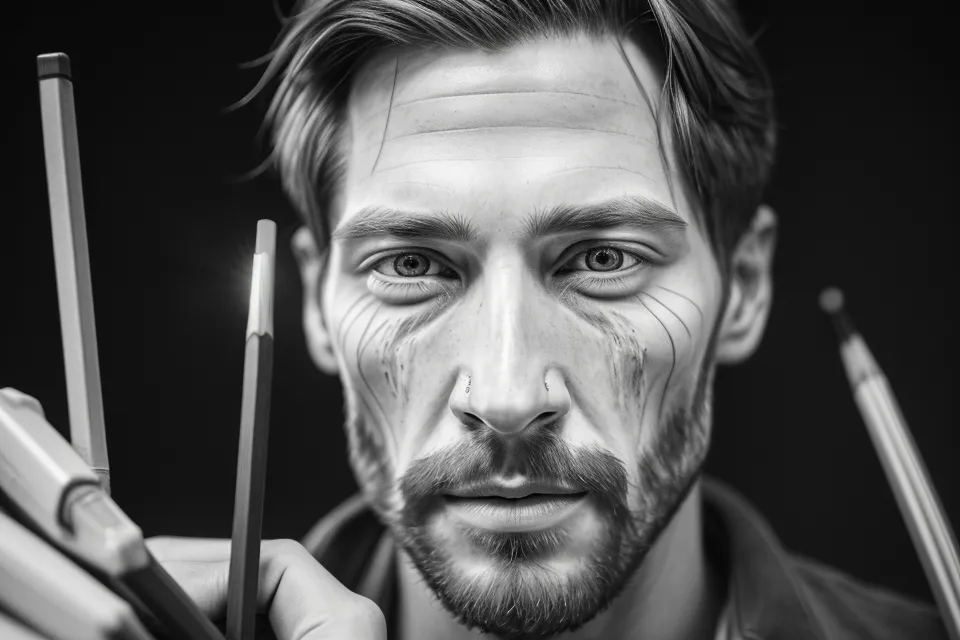
Printing flips the whole exercise into something more sentimental than forensic. Soulmate Story bundles its sketch with a personality-trait reading, which changes what you're holding — it stops being just a face and starts being a small character study, the kind of thing that makes you think, "if this is my future husband, he definitely argues about how to load a dishwasher." Whether a digital file or something hand-drawn actually feels more real once it's printed is its own debate, one where the hand-drawn route usually wins. Tina Aldea Soulmate Sketch leans into that, visibly hand-drawn, more texture, the kind of piece that looks less like a printout and more like a portrait someone actually commissioned.
Showing Friends vs. Keeping It Private
Showing the sketch to someone else is where this stops being a private curiosity and turns into a group activity. My coworker Josephine leaned over my monitor on a break once, gave the drawing about two seconds of consideration, tapped the heel of her shoe — she keeps a lucky dime in there, which she insists isn't superstition — and said he looked like a guy with strong opinions about coffee. That's the reaction most sketches get: quick, funny, a little more revealing about the person judging than the person actually drawn.
Keeping it private is the other camp, and it's just as common. Some people never show anyone, not out of embarrassment, but because the whole point was personal rather than social. The deeper version of how I landed on that distinction is in my honest take after four drawings, so I won't repeat the whole argument here. What I'll add is that how the artists themselves describe arriving at a face in the first place — meditation, tarot pulls, something else entirely — is its own process I've dug into elsewhere, and it's worth reading if you need the mechanism before trusting the output.
What Happens When You're Already Partnered?
Not everyone ordering these is single, which is a detail that surprised me more than any individual sketch has. Friends in long-term, happy relationships still get curious, order one anyway, and then have to sit with a face that looks nothing like their partner. Does that mean the sketch missed, or that they're second-guessing something that never needed second-guessing?
For people in that spot, I always suggest treating the result like a Rorschach test — what you see in it, and how you feel seeing it, says far more about your current relationship than it does about a stranger who may not exist. It's a mirror, not a window. A smaller number of readers get back a face that reads more intense than sweet, closer to what some services frame as a twin-flame result than a soulmate one, and a couple of the more detailed providers actually take that distinction seriously instead of treating every drawing the same.

Letting Go Looks Different From Leaning In
Letting go and leaning in sound like the same instinct, but they show up differently once you've got more than one sketch to compare. The letting-go part is straightforward — a new face works as proof, or at least a visual stand-in for the fact, that the world holds more than one person who could work. There was a stretch right after my breakup where I tried something else entirely: cutting pictures out of magazines, vacation shots, some smiling couple from a mattress ad, and gluing them to a poster board because someone online swore it would help. It didn't do anything except leave glue on my kitchen table, and the sketches, oddly, did more for that letting-go feeling in one file than the poster board ever managed.
Leaning in is the quieter half of the pair. I started using the sketches almost like a meditation guide, not looking for the actual man at the grocery store, but using the image to picture a version of myself that was open to someone new. Some of that shift happened on walks through Wissahickon Valley Park, where there's not much to do but think, and the question in my head changed from "who am I missing" to "who could I meet." Going into any of this already braced for disappointment changes how you receive whatever comes back, more than most people expect walking in — which is probably worth knowing before you order your first one.
Soulmate Story, Sketch 2.0, and Eva Bloom: Three Very Different Sketch Experiences
Running four services back to back makes the differences sharper than any single review could. Soulmate Story gives you the most to work with — the personality reading turns a face into something you can actually discuss, which is why it's the one I keep coming back to for the after-experience rather than just the image itself. I've built out a fuller head-to-head framework for comparing these services elsewhere, so I'll spare you the full rubric here and just talk about what happened after each delivery landed.
Look, Soulmate Sketch 2.0 was the letdown of the four, honestly. It's fine for a fast laugh and an easy entry point if you're skeptical and don't want to commit to much, but the personality read is thin and there's not a lot to customize going in, which makes the after-experience shorter — you look at it, you laugh, and there's not much else to chew on. A follower named Naomi Ferris actually DMed me once, after I'd pointed her toward one of these services, asking whether such a long wait for her sketch was normal. It wasn't unusual for that particular provider, it turned out, but delivery windows really do swing between services more than people expect, and there are a few other warning signs worth knowing before you hand over an email address, which I've laid out separately. True to form, she circled back about six weeks later with an update nobody had asked her for.
Eva Bloom sits at the opposite end from Sketch 2.0 — more abstract, less like a specific face you could pick out of a lineup, more mood than mugshot. That shift actually helped after months of staring at digital facial hair; it moved the focus from "who is this guy" to "what does this feel like," which is a nice break if you've been doing the forensic-zoom thing for a while. My third sketch, for what it's worth, came back looking almost identical to my second — same jaw, same slightly off-center smile — and the two landed in my inbox within days of each other, which is when I started wondering how much of any of this is a genuine impression versus a stock face getting recycled with a different haircut. All four are pinned up on the corkboard above my kitchen table now, which has turned out to be a more useful comparison tool than any single review could be.
So Which One Actually Wins?
None of the four "wins" outright, which is probably an unsatisfying answer if you wanted a single verdict. What actually matters more than which service you pick is what you do with the file once it exists — whether you're the zoomer or the glancer, the private type or the group-chat type, letting go or leaning in. Some of this really is just a digital art review dressed up in mysticism — closer to a very elaborate personality quiz than an actual prophecy, and I think that's fine to say out loud.
If you want the fullest version of the experience — the personality reading, the faster delivery, the thing that actually gives you something to talk about afterward — Soulmate Story is still where I'd point a first-timer. Go with something like Tina Aldea's hand-drawn version if you already know you'll want to print and frame it, pick Eva Bloom if you'd rather feel a mood than study a face, and only reach for the budget option if a quick laugh is really all you're after. Just don't expect any of them to resolve how much relationship hope you're allowed to hang on a drawing of someone you've never met. That part's still on you, and it should be.