Three sketches, three different artists who never talked to each other, and every single one gave the guy the same slightly unruly widow's peak. That's the number that turned my casual psychic portrait review hobby into something closer to an actual accuracy audit. I get asked constantly whether these soulmate sketch services are legitimate or just really good guesswork dressed up as relationship manifestation, and after comparing four of them side by side, I think I finally have a real answer instead of a shrug.
Quick heads-up before we go further: this site runs on affiliate links, so if you click through and order a sketch, I earn a small commission at no extra cost to you. I only recommend services I've actually paid for and sat through myself, usually during a lunch break between customer service calls, and you can find the full transparency policy linked in the footer. None of what follows is sponsored opinion — it's just a very specific hobby that got a little out of hand.
The Basics: What a Soulmate Sketch Actually Is
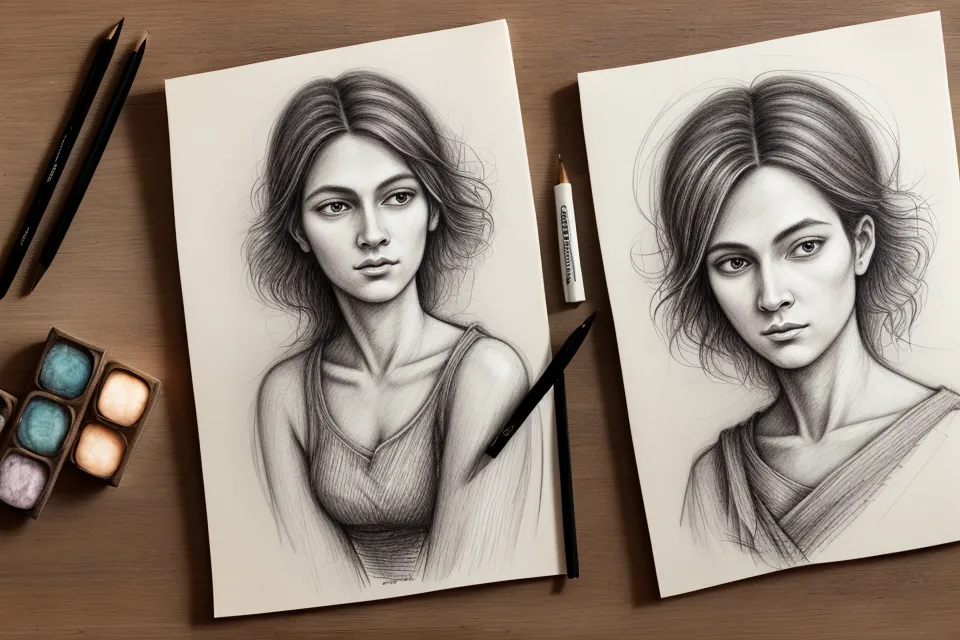
A soulmate sketch, for anyone who hasn't ordered one, is basically a psychic-drawn portrait of the person you're supposedly meant to end up with, paired with a short personality readout — think of it as a psychic dating profile instead of a regular dating app one, minus the awkward opening line. Delivery windows vary more than you'd expect. Soulmate Story turned mine around in a tight 24 hours, which is fast enough that you spend the whole day side-eyeing every guy near the Chestnut Hill Avenue shops wondering if he's got the same jawline. The Tina Aldea Soulmate Sketch took closer to 48 hours because her style is hand-drawn and noticeably more detailed than the digital versions, and that extra render time showed in the shading around the eyes in a way the faster digital sketches just didn't have.
Look, if you want the long version of how I ended up testing so many of these, I already walked through it in my honest look after months of comparing digital psychics, but the short version is that once you've tried more than two, you start building your own private comparison framework — price, delivery speed, how much personality detail you actually get, and whether the read leans more digital painting or true hand sketch.
Judging Accuracy: The Criteria That Actually Matter
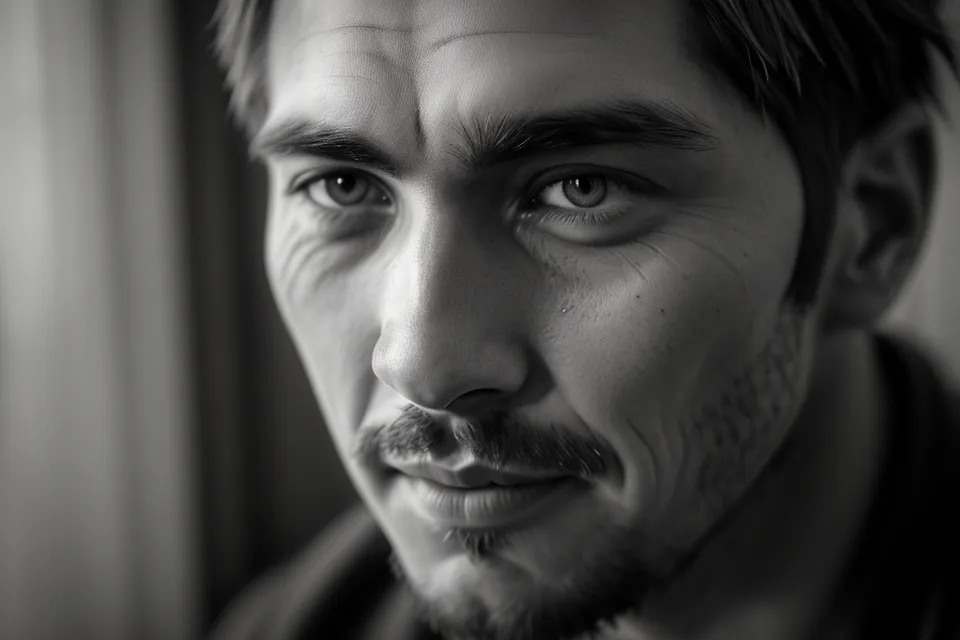
Here's the criteria I actually use now, after four rounds of this. First: does the sketch attempt a literal photograph, or does it read more like a vibe — a jawline, a build, an expression — because expecting a 1:1 facial match is the fastest way to talk yourself out of something that was never designed to work that way. Second, and this is the one that actually got me: does a detail show up independently across more than one artist who has no access to the others' work? That's the test the widow's peak passed. Third, does the personality write-up that comes with it sound like a real read on you, or could it apply to almost anyone?
That third criteria is basically me trying to dodge the Barnum effect, the psychological phenomenon where a vague, generic description feels custom-made because we're all primed to see ourselves in it — it's the same reason horoscope apps and those five-question personality quizzes feel so eerily "right." The sketch and personality write-up I got through Soulmate Story included a relationship-timeline section along with the portrait, and the first time the wording got specific instead of vague, I read that section twice, then quietly out loud, just to check I wasn't reading what I wanted to see. It's close to cold reading, the technique where a reader picks up on small cues and reflects them back — except here, what's being reflected is less about you specifically and more about what most people hope a fresh start looks like.
Holding two printouts up at arm's length, phone screen glare bouncing off both faces while I squinted at hairlines, is a genuinely funny way to spend an evening, and I'd be lying if I said it didn't feel a little unhinged. It's also where I noticed the one thing about Soulmate Story that actually disappointed me: the checkout page kept stacking upsells before I ever reached a confirmation screen, and it took real effort to click past them without adding extras I never asked for.
What Artists Say Happens Behind the Portrait
Ask four different artists how they actually do this and you'll get four different answers. Most describe the process as tuning into a feeling or energy connected to you rather than working off a physical description you provide, which — fair or not — is part of why the styles vary so wildly between a soft, ethereal rendering and something closer to a police sketch.
Twin Flame or Soulmate? The Label Matters More Than You Think
A few services will ask upfront whether you want a soulmate reading or a twin flame one, and the difference isn't just marketing. A twin flame sketch is generally framed around an intense, almost mirror-like connection, while a soulmate sketch leans toward steady partnership, so picking the wrong label can leave you comparing apples to a much more dramatic orange.
Red Flags Worth Watching For
The biggest red flag I've learned to watch for is any service promising a name, an address, or some hyper-specific identifying detail instead of a general portrait and a personality read — that level of certainty isn't what a legitimate sketch service is actually selling, and treating it like a detective report instead of a fun exercise is where people get burned.
Getting Your Head Right Before You Hit Order
Before I ever ordered a sketch, I tried a tarot reading at a small shop along Chestnut Hill Avenue, mostly out of curiosity, and it didn't really do anything for me — the reading felt so broad it could've applied to whoever was next in line, and I left with more questions than clarity. Going in with realistic expectations matters more than any ritual beforehand: treat it like a fun personality mirror, not a verdict, and you'll walk away feeling better regardless of what the portrait looks like. One friend of mine, who's been deep into a competitive trivia league at a bar downtown most weeknights, took one look at my sketch and said it looked like a stock photo — which, fair, some of them kind of do.
When a Sketch Turns Into Something It Shouldn't
There's a more serious side to all of this that I want to address directly. People message me sometimes because they've lost a spouse or they're navigating a genuinely traumatic loss, and I have zero medical or counseling training, so I want to be straightforward: acute grief makes your brain search for closure, and it will project what it's missing onto a fairly generic sketch if you let it. Insisting a portrait looks exactly like someone you lost can quietly delay the actual healing process by anchoring you to the past instead of opening you toward anything new, and that's a confirmation bias worth naming out loud. If you're in the middle of real grief or trauma, please talk to an actual professional before looking for answers in a drawing — these sketches are meant to be a small dose of hope and fun, not a stand-in for real emotional support.
Is It Actually Worth Ordering One?
None of this is really about the accuracy of a nose or an eye shape, honestly — it's about giving yourself a lighthearted excuse to picture something better than whatever you're recovering from. If you want a low-stakes entry point, Soulmate Story is still the one I point people toward first, mostly because that 24-hour delivery keeps the fun immediate without giving your brain three days to overthink every detail. And if you're curious what people actually do with these drawings once the initial excitement wears off, I got into that in what I really did with my psychic soulmate sketches, including the parts that are a little more mundane than you'd expect.