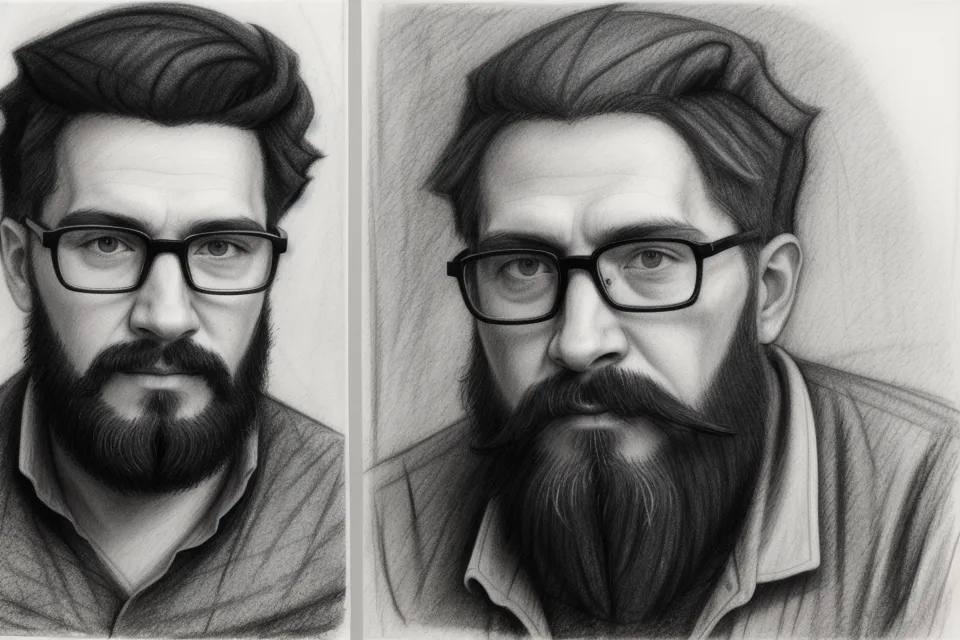
Four different soulmate sketch services, twelve sketches total, and when I finally lined all of them up side by side, I could count the truly distinct faces on one hand. That number is what got me writing this down instead of just muttering about it to my coworkers. My first psychic soulmate sketch was a joke ordered over wine after a breakup, and it somehow turned into the reason friends now come to me for honest, unfiltered reviews of these services instead of whatever five-star testimonial a company posts on its own site. This isn't a rundown of what a soulmate sketch actually is — that ground is covered elsewhere — it's the real questions people ask once they've already ordered one or two themselves, mixed with the leftover spiritual curiosity nobody wants to admit to out loud.
How Many Readings Before You Can Trust a Pattern
People ask this more than almost anything else, usually right after their second sketch arrives looking a little too familiar. My own rule of thumb: two readings tell you almost nothing, three start raising eyebrows, and four is where I finally trusted what I was seeing enough to put it in writing. I keep every sketch, every reading transcript, and every delivery date in one running file, and I laid out the actual tracking method in a separate post if you want to copy it, once that file existed, comparing services stopped being guesswork and started following an actual framework I reuse every time a new one launches. To keep the visual comparison fair, I print everything on the same 8.5 by 11 inches paper, since a sketch on glossy cardstock next to one on regular printer paper will always look more special than it deserves to.
Is Any of This Actually Data?
Short answer: sort of, but not the way most people assume. Psychic artists aren't pulling your match from some shared database — most work off the description you give during your reading and layer their own style on top of it, and I broke down how that actual process works in more detail elsewhere. What I can say from stacking four readings against each other is that the artistic templates repeat far more than the written personality profiles do. Jawlines, eyebrow shapes, even the tilt of a head showed up again and again across services that have never spoken to one another, while the personality blurbs varied enough that I couldn't call them copy-pasted.
None of this means the sketches are fake or that anyone running these sites is scamming you. It means the tools converge on similar defaults, whether that's an illustrator working from shorthand notes or software filling in features from a checklist, the same way every dating app profile photo somehow ends up lit from the same angle, or every horoscope app manages to describe your day using the same dozen turns of phrase. Zodiac traits follow an identical rule: with only twelve signs in the Western system, four separate readings were always going to recycle the same handful of descriptors, and once I noticed that, I started reading the write-ups the way I'd read a cold reading — vague enough to fit almost anyone, specific enough to feel personal.
Digital Sketch or Hand-Drawn — Does the Comparison Change the Accuracy?
Plenty of readers ask whether a hand-drawn sketch is inherently more trustworthy than a digital one, as if pencil on paper carries more weight than a stylus on a tablet. From what I've compared, the medium says more about the artist's workflow than about accuracy - a rushed hand-drawn piece can look just as generic as a lazy digital one, and a careful digital artist can add more individual detail than someone sketching fast with graphite. Judging accuracy by medium alone misses the point; I weigh it against a short list of criteria instead, things like whether the described personality lines up with details you never mentioned in your intake form, criteria I walk through step by step in a separate comparison piece. The material only factors into my decision now as a printing choice, not a credibility one.

What a Late Delivery Actually Means
A follower named Naomi Ferris DMed me once, convinced a three-day delay meant her order had been lost somewhere — and this is the same Naomi who saves every digital attachment to her camera roll and photographs it before she'll let herself actually open the file, so three extra days of waiting nearly did her in. Delivery windows vary enough between services that I ranked them separately, but as a general rule, a delay of a day or two rarely means anything sinister; it usually means the artist has a backlog, not that your reading went wrong. I've sat up well past midnight more than once with two delivery confirmation emails pulled up side by side, comparing their timestamps like I was building a case file, mostly just to see whether the faster service produced the better sketch (it didn't, for the record). Where I'd actually start worrying is covered in the red-flag list I keep updated separately — no confirmation email at all, no way to reach support, or a sketch that arrives with someone else's name still sitting in the file details.
Twin Flame Sketches Are Not the Same Thing
Enough readers ask this that it deserves its own answer: a twin flame sketch and a soulmate sketch get marketed like they're interchangeable, and in my experience ordering both, they aren't — I went deep on where the results actually diverge in a separate comparison. The practical takeaway is simpler than the philosophy behind it: if a service hands you back a nearly identical result for both requests, that's worth noticing rather than shrugging off as coincidence.
Before You Order: What Actually Helps
The most useful prep has nothing to do with candles or meditation playlists, whatever a service's landing page suggests — I go through the specific version of that prep in another post, but the short of it is knowing what you actually want answered before filling out the intake form, not just "tell me about my soulmate." I tried the opposite approach first: a thirty-day social media detox, meant to stop me from checking my ex's accounts late at night, which fell apart faster than I want to admit and did nothing for the restlessness underneath it. Ordering that first sketch, half as a joke, did more for my head than the detox ever managed, which says more about me than about anything psychic.
Sketch, Story, or Both
Some services offer a written "soulmate story" alongside or instead of the visual sketch, and readers often want to know which one is worth it. I laid out a full side-by-side of the two formats in a separate piece, but here's the short version: the sketch is what makes you stop scrolling, and the story is what actually holds up to rereading later, since a description of someone's personality tends to age better than a face you're already second-guessing a few weeks on. If you can only pick one, think about which one you'd actually revisit — the visual or the paragraph.
What I Do With a Sketch After It Arrives
Opening the file is only step one — what actually matters is what happens after, and I put together the fuller list of next steps in another post since it's more than a paragraph's worth. The short version: I sit with it for a day before showing anyone, because my first reaction changes noticeably once the initial "huh, interesting" wears off. Reactions from other people vary more than you'd expect — my coworker Josephine spent months rolling her eyes at the whole idea, right up until I showed her four sketches lined up next to each other during a walk through Peddler's Village in Lahaska, and she went quiet, then ordered her own that same weekend without a trace of the skepticism she'd led with.
As for guarantees, terms differ wildly by service, some offer a redraw if you're unhappy, others won't budge once the file is sent, and I broke down exactly what one popular service promises versus what it actually delivers in a dedicated review. If you've read this far and want the fuller story behind where all four of my comparisons started, The Soulmate Sketch Rabbit Hole: Comparing Four Different Readings from My Suburban Living Room walks through the whole thing from the first order onward.
Cheap Doesn't Mean Careless
Price comes up constantly, mostly as some version of "is the cheap one actually worse." One of the four services I've used sits clearly on the lower end of the price range, and plenty of people assume that automatically means a rushed, low-effort product — it hasn't been, in my experience, though I go through the full value breakdown by tier in a separate piece if you want the specifics. What actually predicts quality has been more about how a service communicates before and after the sale than what it charges: whether they answer questions clearly, whether the delivery date they quote is the one they hit, whether the sketch matches the description you gave during the reading. Judge the service by those things first, and let the price tag be the tiebreaker, not the headline.