My thumb keeps landing on the same twelve seconds of video, over and over, my lunch going cold on the table in front of me. Parked at a counter inside Reading Terminal Market, I'm dragging that little playback dot backward across the screen — watching myself unbox my fourth soulmate sketch for what has to be the third replay in a row, pausing right as the jawline comes into frame, zooming in, un-pausing, then doing the whole process again. Four rounds into this particular strain of psychic art, and I'm still not tired of it.
Across the table, the friend I dragged along — the one who signed up for a weekly pottery class this spring and now has strong feelings about texture — tells me I need a new hobby that doesn't involve reverse-engineering a stranger's pencil work for clues about my future husband. She's not wrong. Four sketches in, though, I've stopped being embarrassed about it. What I actually want to know isn't whether any of these artists are right. It's how they're doing what they're doing, and it turns out there isn't one process. There are two, and they don't look anything alike.
Long before any of this, I tried the responsible version of figuring out what I wanted in a partner: sitting down with a notebook and journaling about it, the way every self-help article tells you to. It didn't get me anywhere close to as far as three replays of an unboxing video in a food court. That gap is basically the whole reason I keep comparing not just the sketches themselves, but the very different processes four different artists claim to use in producing them.
Two Very Different Ways an Artist Says They 'See' You
If you've never ordered one of these before, a soulmate sketch is exactly what it sounds like — a rendering of a person a stranger claims is meant for you, built from almost nothing but the details you hand over. I've laid out a full scorecard of all four services I've tried elsewhere, so this piece isn't a ranking. It's about what actually happens between the moment you submit an order and the moment a file lands in your inbox, because after four rounds of this, I noticed the process splits into two completely different camps, and almost nobody selling these sketches tells you which camp they're in before you pay.
Birth Details First: How the Form-Heavy Process Works
The first camp treats the intake form like the main event. Before any pencil touches paper, you're filling out something closer to a background check than a horoscope app — birth date, birth time, sometimes the exact location, plus pages of questions about your current relationships and what you're hoping to find. Most of it circles back to the zodiac signs, but not in the simple sun-sign way you'd expect. One service asked for enough detail that I felt like I was applying for a mortgage instead of a sketch of my future husband.

Artists working this way describe the form as the thing that lets them "tune in" — the data becomes the frequency they're supposedly reading. It's the more clinical version of the process, and it's the one that produces sketches with oddly specific details attached: an exact age range, a profession, sometimes even a first initial. Whether any of that holds up is a different question. What matters here is that the artist is doing less pure improvising and more pattern-matching against everything you handed them.
The Trance-First Process Skips the Paperwork Almost Entirely
A second camp barely asks you anything. One of my four services wanted little more than my first name and a general sense of what I was hoping for, then went straight into what they call automatic drawing — the artist entering something close to a meditative state and letting their hand move without, they say, much conscious input. No birth details, no twenty-question relationship survey, just a blank page and whatever shows up. It's the more intuitive version, closer to a psychic reading than a data exercise, and it produces work that leans on impressions rather than specifics: a particular set of eyes, the way someone holds their shoulders, a smirk that supposedly means something.
Look, there are warning signs worth knowing before you hand your information to either camp, though that's really its own conversation. The bigger practical difference, for me, was realism. Whether the final piece even arrives hand-drawn or purely digital changes how "real" it feels once it's in front of you, and that's a rabbit hole I've gone down in more depth elsewhere. What I can say from doing both is that the trance-first sketches felt less like a checklist and more like a guess dressed up as intuition — sometimes a better guess than the form-heavy ones, sometimes a worse one.
Which Process Actually Produces a Better Sketch?
Here's where it gets complicated: neither camp wins outright. Turnaround times are close enough across both — something I've ranked service by service elsewhere — so speed isn't the differentiator people assume it is. Almost every file, form-heavy or trance-first, arrives as a high-resolution JPEG or PDF, usually within about a day, which is a strange thing to sit with when the method behind it is supposedly ancient. I printed one of the sketches out to compare it against a screen, and there's a faint waxy drag to a laser-printed page under your thumb that a glowing laptop screen just doesn't have — it makes the whole thing feel more like a document and less like a vision, which might be the most honest way to describe what these actually are.
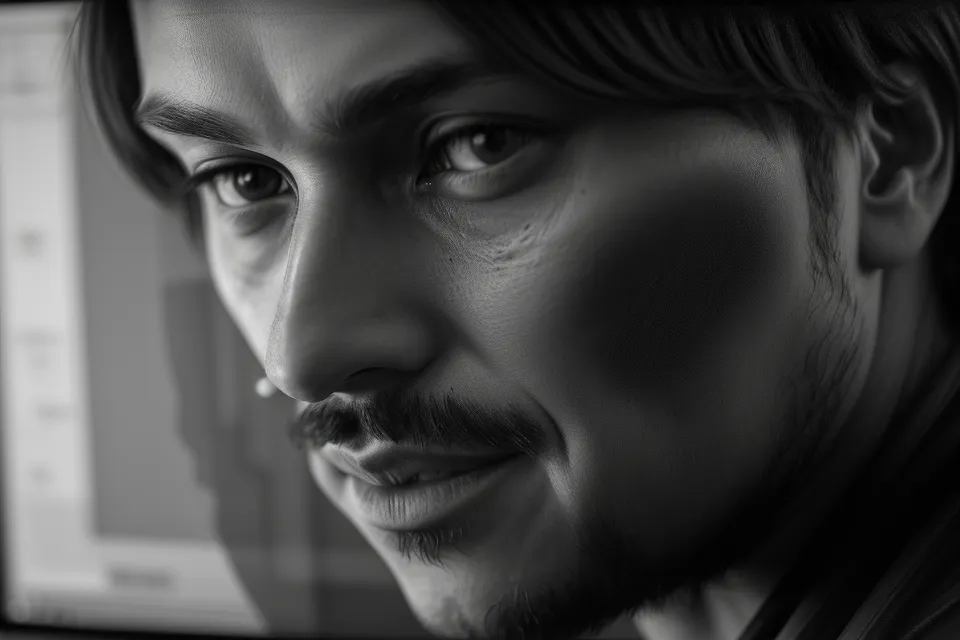
Accuracy is its own can of worms, and I've broken that down in painful detail somewhere else on this site. What I noticed across all four, regardless of camp, is that the form-heavy sketches felt more "designed" — like the artist was assembling a person from the specs I gave them — while the trance-first ones felt more like a genuine guess, for better or worse. Neither felt more or less like my actual future husband, for what it's worth, since I still don't have one of those to compare against.
Pick the Process That Matches What You're Actually Looking For
If you want something you can hold up against a real checklist — age range, general vibe, a few concrete traits — go with a form-heavy artist and expect the wait to feel more like ordering a custom product than having a reading. If what you actually want is the stranger, less explainable version of this experience, pick a trance-first artist and go in with as little information as they'll let you get away with giving them. Some services will also hand you what they call a twin flame instead of a soulmate without flagging the difference up front, which is a separate mess worth knowing about before you order. How you show up mentally before your first reading, camp aside, changes what you actually notice in the sketch once it lands, and that's really a topic of its own.
Where this connects for me is the shift I write about in more detail when my suburban rabbit hole led me to realize why Soulmate Story changed my mind about how these things are structured. Four drawings in, my spiritual curiosity hasn't turned into belief, exactly — it's turned into something closer to knowing which questions to ask before I hand over my birth details and a form full of personal history. That's the actual lesson here: the process tells you more about how a service works than it ever will about who you're supposedly going to marry, and knowing which camp you're paying for is worth more than any single sketch turns out to be.